
A Story Becomes a Racial Symbol
Native SonThis thread traces how Bigger Thomas’s individual crimes are transformed into competing symbols of Black danger, social oppression, and political fear.
increasing Bearing strength in each event
 decreasing
Bearing strength in each eventdecreasingA Crime in the News

Facts Become Headlines
A mystery for readers
Newspaper reports present Mary’s disappearance, Jan’s politics, and the ransom note as a sensational puzzle. The available information is incomplete, but the press gives it a confident narrative shape.
A suspect is selected
Bigger’s status as a chauffeur and Black man becomes part of the story before the evidence against him is complete. The news cycle prepares readers to interpret later facts through racial expectation.
A Rape Myth Repeated
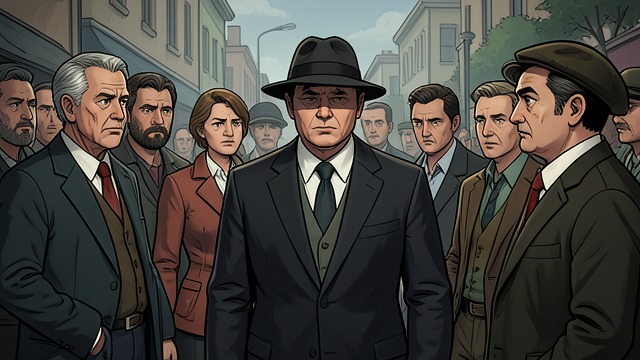
Sexual Panic Takes Over
An allegation becomes a verdict
Officials and newspapers describe Bigger as a rapist and use his race to make the claim feel self-evident. His denial receives less attention than the imagined threat to white women.
Fear legitimizes punishment
The accusation helps mobilize public anger beyond what the established facts show. It demonstrates how a racist myth can function as a political weapon rather than a neutral explanation of a crime.
A Communist Conspiracy
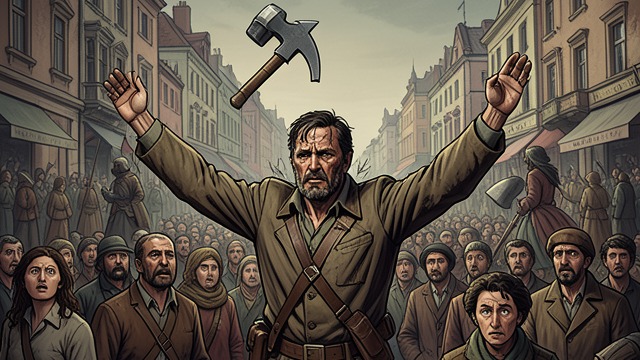
Politics as a Distraction
The note’s emblem
Bigger signs the ransom demand “Red” and draws a hammer and sickle, expecting the public to associate the crime with Communists. The press and Britten quickly treat Jan’s politics as suspicious.
A lie built from prejudice
The Communist narrative offers a convenient explanation that distracts from the racial and economic conditions around the case. It also shows how Bigger has absorbed public stereotypes and uses them to protect himself.
The Defendant as Public Monster

A Face Replaces a Person
Photography and description
Reporters photograph Bigger beside the white cat and publish lurid descriptions of his body and supposed instincts. The coverage presents him as less than human before judgment is complete.
Dehumanization serves a purpose
Once Bigger is made into a monster, his death can be described as public protection. The press’s account makes it harder for readers to consider how a human being could be shaped by, and responsible within, oppressive conditions.
Max Challenges the Symbol
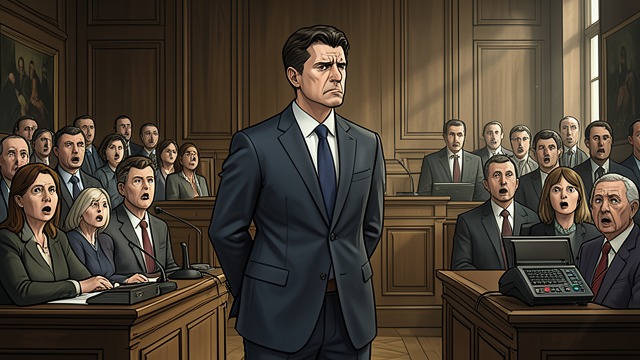
A Life Behind the Headline
The defense asks for context
Max asks the court to see Bigger’s history of exclusion rather than treat him only as a racial symbol. He argues that the public has confused punishment with a solution to social conditions.
Interpretation remains contested
The prosecution and crowd resist this account, demanding death as reassurance. The novel leaves readers to confront the distance between understanding Bigger and excusing what he has done.
After Mary is reported missing
After Mary’s bones are found
During the ransom investigation
During the inquest and trial publicity
During Max’s closing plea
